AI Regulation in Southeast Asia 2026: What Indonesian Startups Need to Know
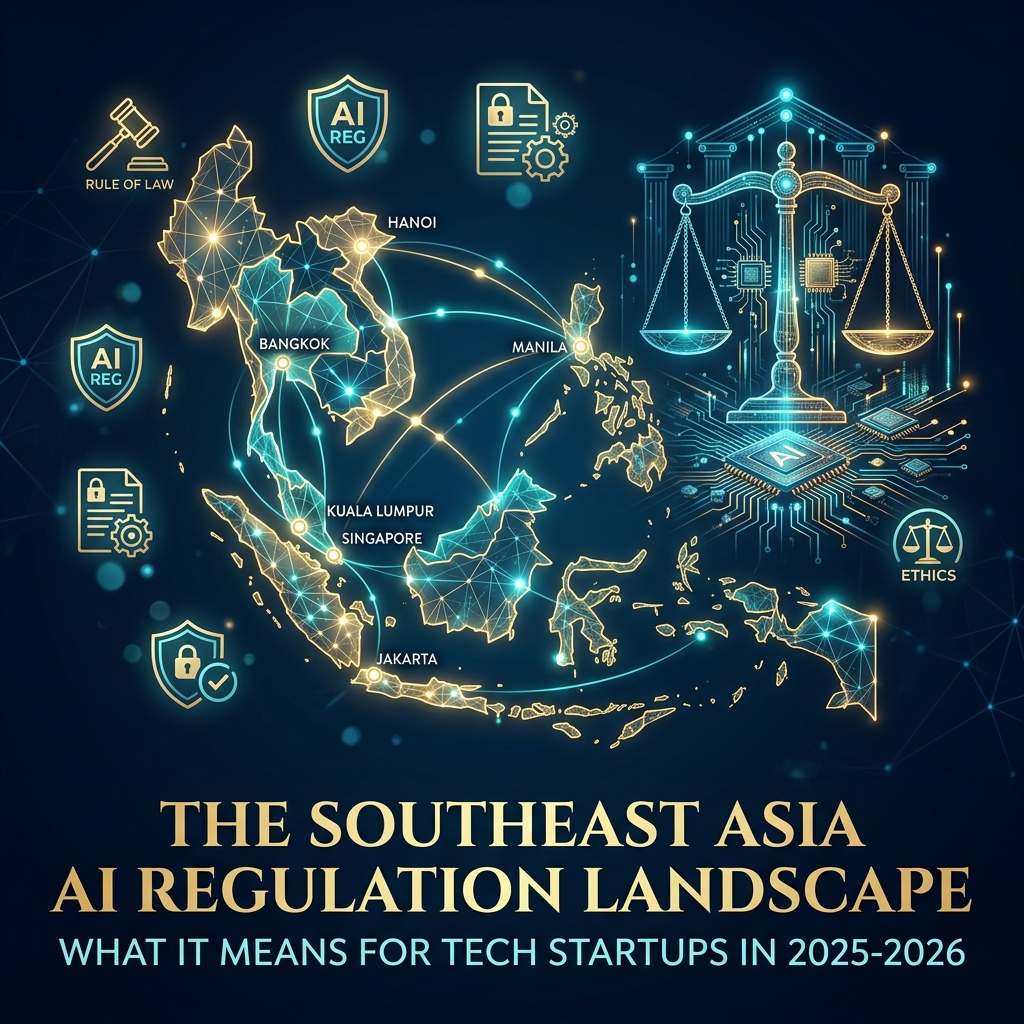
The AI regulatory landscape in Southeast Asia is moving fast. From Singapore's AI Governance Framework to Indonesia's PDP Law—here is a practical guide to keep your startup compliant without killing innovation.
1. The AI Regulatory Map in ASEAN
Singapore leads with a Model AI Governance Framework focused on transparency and accountability. Thailand and the Philippines are drafting national AI regulations. Indonesia has the PDP Law (Personal Data Protection) effective from 2024, which directly impacts how startups manage user data to train AI models.
2. The PDP Law's Impact on AI Development in Indonesia
The PDP Law requires explicit consent for data collection, a right to be forgotten, and obligations to keep Indonesian citizens' data on domestic servers (under certain conditions). For AI startups, this means your data architecture must be designed with privacy-by-design from day one—not bolted on at the end.
3. Practical Responsible AI Principles
Three minimum principles to implement: (1) Explainability—users can understand how AI decisions are made, (2) Fairness—regular audits for bias in datasets and model output, (3) Accountability—a human responsible party exists for every AI decision with significant impact.
4. Concrete Steps for Indonesian Startups
Start by auditing the data you collect: does it include sensitive personal data? Prepare a transparent privacy policy. Document your AI architecture. Appoint a DPO (Data Protection Officer) if your data volume is large. And most importantly: consult legal counsel who understands the intersection of technology and regulation.